Pest Prevention Services in North York, ON
Why Pest Prevention Matters in North York
In North York, pest pressure can vary quickly from one street to the next because of the area’s mix of historic homes, high-rise condos, retail plazas, and smaller buildings. That variety matters. Different property types lead to different conditions for pests, from damp basements in older houses to shared utility chases in multi-unit buildings. For property owners looking for reliable pest control North York solutions, prevention is often the smartest way to prevent infestations before they become expensive, disruptive, or difficult to remove.
Pest prevention services are especially valuable in North York, ON because urban density increases infestation pressure. In tightly packed neighbourhoods, pests can move between buildings, use exterior walls as travel routes, and take advantage of food waste, storage rooms, and service areas. In the wider Greater Toronto Area, that same pattern shows up across homes and businesses, but North York’s combination of residential streets and busy commercial corridors makes proactive property protection even more important.

Prevention also supports risk reduction year-round. Instead of waiting for visible damage, a preventive approach focuses on early detection, removing harborage, and blocking the conditions that attract pests in the first place. A strong plan combines ongoing maintenance, careful hygiene, and practical fixes for structural gaps so that pest issues do not recur.
Typical Pests in North York Homes and Businesses
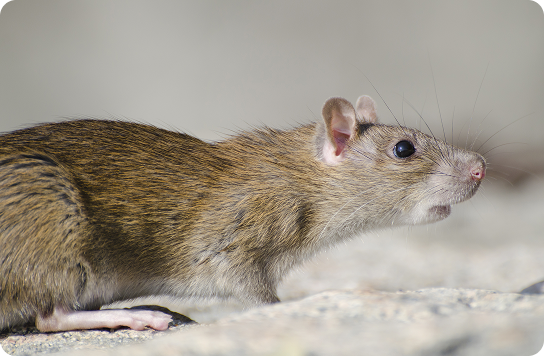
North York properties regularly deal with rodents, especially mice and rats. They’re lured by heat, easy meals, and hidden travel routes. They often enter through narrow openings, basement openings, utility penetrations, and gaps around doors or loading areas. Once inside, they look for nesting sites in insulation, storage spaces, wall voids, and cluttered areas.
Cockroaches are also a regular problem in apartment buildings, food-handling businesses, and older properties with moisture or sanitation issues. They breed fast, hide in tight spaces, and can be difficult to eliminate without a prevention-focused strategy. Ants also appear regularly in North York kitchens, break rooms, and perimeter foundations, especially when weather shifts bring them indoors in search of food and water.
Other pests worth watching include bed bugs, which can spread through multi-unit housing and shared furnishings, and wasps, which become more active around eaves, decks, signage, and exterior walls in warmer months. While each pest behaves differently, all of them benefit from the same weak points: food access, shelter, moisture, and entry access.
For both residential pest control and commercial pest control, understanding which pest is most likely to appear helps shape better prevention. A proper plan does not just respond to what is already visible; it looks for conditions that allow pest activity to continue.
How Proactive Pest Control Services Work
Successful protection starts with a detailed inspection. This is where licensed technicians examine the property for pest activity, signs of entry, and the conditions that encourage stay. They search for droppings, grease marks, nesting materials, moisture problems, and hidden access routes around foundations, vents, pipes, and rooflines. The goal is to identify problem areas before they become active infestations.
Next comes exclusion. This step is centered on physically blocking pests from entering the building. Sealing gaps around utility lines, repairing damaged screens, tightening door sweeps, and closing entry points are all part of rodent-proofing and broader pest exclusion work. In many cases, small structural gaps are enough to let mice or insects inside, so precision matters.
Sanitation is equally important. Good pest prevention services improve sanitation practices by reducing food residue, standing water, and clutter that gives pests cover. This may include advice on waste handling, pantry organization, storage-room cleanliness, and equipment maintenance. Clean spaces remove the resources that support pest survival.
The final piece is monitoring. Ongoing monitoring helps identify pest activity early, especially in buildings with recurring issues or nearby risk factors. Traps, inspection points, and scheduled checkups allow technicians to track changes in pest pressure and adjust the approach. When prevention is done well, it becomes a systematic service plan built for long-term control rather than one-time relief.
Preventive pest services work best when inspection, exclusion, sanitation, and monitoring are treated as a single system, not separate tasks.Indicators That You Need Pest Prevention Not Just Treatment
Numerous North York homeowners call for help not until pests are already visible. However some warning signs point to the need for preventive action, rather than treatment. A clear sign is finding droppings in kitchens, utility rooms, storage areas, or along baseboards. Droppings often suggest active pest traffic and possible nesting nearby.
Another frequent sign is discovering entry points. These may be small holes around pipes, cracked foundation joints, loose weather stripping, or gaps near vents and garage doors. If pests can get in once, they will often return unless those access routes are sealed.
Nesting materials are also a clue that pests are taking hold. Shredded paper, insulation, fabric, and food packaging can all indicate hidden nests. In rodent situations, nest evidence often appears near warm, secluded areas such as behind appliances, inside wall voids, or in storage zones.
Recurring infestations are a major sign that treatment alone is not enough. If mice, ants, or cockroaches return repeatedly, there is usually an environmental reason. That may involve moisture, food access, poor sealing, or nearby conditions that support pest movement. Prevention aims to solve those root causes, which is why it is often more effective than reacting to each new outbreak.
Pest Control Prevention for Households, Condos, and Commercial Spaces
Detached homes in North York often need perimeter sealing, basement protection, attic inspections, and better storage practices. Aging residences may have additional cracks, aging vents, and concealed gaps that make pest access easier. For homeowners, prevention is about protecting the entire property while maintaining pleasant, usable living space.
Condominiums present a separate issue. Shared walls, common garbage areas, utility chases, and hallway access can allow pests to move between units. In dense buildings, one unit’s issue can become another unit’s problem quickly. That is why condo pest prevention often requires joint effort, shared compliance standards, and routine checks across common areas. Bed bugs, cockroaches, and https://penzu.com/p/32e298d5e617a111 rodents can all spread more easily in these settings if prompt response is delayed.
Restaurants in North York need prevention plans that promote food safety, staff hygiene, and inspection readiness. Kitchens, storage rooms, dish areas, and loading docks are all sensitive zones. Any pest activity can affect operations and reputation, so frequent monitoring, sanitation, and prompt exclusion work are critical.
Office buildings also benefit from preventive service, especially where food is stored, employees share kitchens, or waste accumulates in service areas. Even if pest activity is less obvious in offices than in restaurants, pests can still travel through walls, ceilings, and maintenance corridors. A reliable commercial prevention plan reduces disruption and supports a more sanitary work environment.
Seasonal Insect Risks in North York
The spring season frequently brings increased pest activity as temperatures rise and insects become more active. Ants may initiate foraging along foundations and interior edges, and wasps commence building nests in sheltered exterior spots. Spring is a good time for inspections because winter damage, shifting soil, and moisture changes can expose new entry paths.
The summer season commonly increases insect pressure across North York. Warm weather boosts wasp activity and can lead to more visible ant trails, especially around patios, window frames, and outdoor eating areas. Food spills and open garbage in busy commercial spaces can amplify the problem. Summer prevention focuses on sealing, waste control, and fast response to early pest activity.
Autumn is one of the most important seasons for rodent prevention. As temperatures drop, mice and rats move indoors seeking warmth, shelter, and food. In Toronto and North York, this seasonal shift often leads to increased indoor activity in basements, garages, storage rooms, and restaurant service spaces. Fall is the ideal time to reinforce exclusion and reduce access before winter starts.
The winter season keeps pressure on indoor spaces. Rodents already inside are more likely to stay active, and any weakness in a building’s envelope can become a stable travel route. Condos, apartment buildings, and mixed-use properties may continue to see pest movement through shared walls, mechanical areas, and warm utility spaces. Winter prevention is about sustaining the control measures already in place and checking for damage after freeze-thaw cycles.
What to Look For from a Community Pest Control Provider
A trusted local provider should start with a careful property review by licensed technicians. They should explain what they observe, where the risks are, and which measures are most likely to reduce pest activity. Reputable pest control North York companies use integrated pest management rather than using only a single product or temporary solution.
With integrated pest management, the approach is layered. It may cover inspection, exclusion, targeted treatment, sanitation guidance, and monitoring. This method helps property owners target the root causes of pest problems and encourages better long-term results. It also means solutions can be tailored to the building type, level of activity, and local conditions.
You should also expect a detailed service plan. That plan may include follow-up visits, seasonal checks, and recommendations for maintaining pest barriers over time. In many North York settings, especially where there are recurring issues, follow-up visits are essential because pest pressure can return after weather changes, tenant turnover, or maintenance work.
The best local companies offer customized solutions for both residential pest control and commercial pest control. They should be able to show how their methods support compliance, property protection, and safer day-to-day operations. They should also be ready to recommend an eco-friendly treatment approach where appropriate, especially for sensitive indoor environments.
Prevention Advice for North York Property Owners
Effective prevention starts with everyday habits. First, strengthen food storage. Place dry goods in sealed containers, keep pet food properly, and clean up crumbs or spills right away. In apartments, houses, offices, and restaurants, food access is one of the biggest factors of pest activity.
Then, improve trash management. Use lined bins, empty garbage regularly, and keep waste area lids closed. In shared buildings and commercial plazas, poorly managed waste can attract rodents, ants, and flies, especially when bins sit near loading areas or service entrances. Clean waste handling supports both hygiene and risk reduction.
It is also important to seal cracks when feasible. Small openings around foundations, vents, siding, and service lines can become major access routes. Sealing those gaps helps stop mice and other pests from entering through entry points that may be easy to overlook during routine cleaning.
Last, focus on moisture control. Leaks, condensation, damp basements, and poor ventilation can all create favorable pest conditions. Moist areas support cockroaches, ants, and rodents indirectly by improving shelter and food availability. Drying out problem areas, repairing plumbing leaks, and improving air flow all support lasting pest prevention.
Selecting the Right Pest Control North York Service
When selecting a provider, start with local expertise. North York has its own mix of detached homes, high-rise condos, older buildings, and busy retail zones, so the best provider will understand how pest risks differ across neighbourhoods and property types. Local knowledge also helps with seasonal shifts and common building vulnerabilities.
Reputation matters too. Seek out a company that is known for clear communication, professional inspections, and practical prevention advice. A strong reputation usually reflects consistency, responsiveness, and the ability to solve problems without overcomplicating them.
Response time matters especially when pest concerns keep recurring. Quick nearby support helps contain spread, limit disruption, and keep small problems from growing larger. For properties in North York, ON, easy access to a provider that serves the broader Toronto and Greater Toronto Area is a key benefit.
Also ask about environmentally responsible methods. A lot of owners want prevention plans that cut down on chemicals while still achieving reliable control. A provider that uses exclusion, inspection, and targeted low-impact treatment methods can often produce strong outcomes with less disruption. Top pest control North York services combine safety, practicality, and long-term control.
Frequently Asked Questions
How frequently should I book pest prevention services in North York?
The best schedule depends on the property type, pest pressure, and whether you have had repeat issues. Many homes benefit from seasonal checks, while condos, restaurants, and office buildings may need more frequent monitoring. A custom maintenance plan is usually the best way to maintain prevention and support ongoing maintenance.
What pests are most common in North York properties?
Frequent pests include mice, rats, cockroaches, ants, bed bugs, and wasps. Which pest is most common depends on the building type, location, sanitation conditions, and season. Within North York, urban density and shared walls can increase pest movement in condos and commercial properties.
Are pest control prevention treatments safe for children and pets?
Many prevention programs use targeted, low-impact methods as part of integrated pest management. That often means focusing on inspection, exclusion, sanitation, and monitoring before using any treatment. A trained provider should explain what is being used, where it is applied, and how it supports safety, compliance, and property protection.
Do I need pest prevention for a condo in North York?
Yes. Condominiums in North York can be vulnerable because shared walls, garbage rooms, utility spaces, and hallways can allow pests to travel between units. Preventive measures helps minimize pest activity in common areas and supports early detection before one unit becomes part of a larger building issue.
Can pest control North York services help stop recurring infestations?
Certainly. The most reliable pest control North York providers focus on the reasons pests keep returning, not just the visible pests themselves. By using inspection, exclusion, sanitation, and monitoring, they can address entry points, nesting sites, and environmental conditions that lead to repeat problems. That is the core of lasting prevention.