How to Find Out If Pest Activity Is Getting Worse in Scarborough
If you’re seeing a few insects or the random rustle, it can be hard to know whether you’re dealing with a limited nuisance or a escalating infestation. The most reliable way to judge pest activity is to compare what you’re seeing now with what you noticed a week or two ago. In Scarborough, where older detached homes, townhomes, and high-rise buildings all sit side by side, pest problems can escalate rapidly if the signs are missed early. Knowing the difference between isolated sightings and increasing pest activity can assist protect your home from property damage, food contamination, and ongoing sanitation issues.
This guide is created to help you diagnose whether the problem is worsening, what warning signs to check for, and when it’s time to consider pest control scarborough for a professional inspection and a effective plan.
What “worsening pest activity” actually looks like
Worsening pest activity usually means more than one accidental sighting. It often points to growing infestation, which means pests are multiplying, using building gaps, or finding better access to food sources and harbourage. If you’re seeing the same pests repeatedly, that is one of the most dependable signs of infestation.
Look closely at whether the pattern is changing:
- Ongoing sightings in the same room or at the same time of day.
- More droppings, especially along baseboards, in cabinets, or near appliances.
- New odours that suggest hidden nests, dampness, or contamination.
- More obvious movement from one area to another, which may indicate pests are expanding into new nesting areas.
With rodents, rodent droppings often increase before you actually see the animal. With insects, a rise in dead specimens, shed skins, or active movement around sinks and pantry shelves can point to a growing issue. The key question is not “Did I see one pest?” but “Is the pattern becoming more common, widespread, or impossible to miss?”
Typical signs pests are getting more active
Certain signs are easy to miss if you’re only looking for live pests. In many homes, the first clues of escalating pest activity are indirect. These signs often show up before the infestation becomes obvious.
Keep an eye out for chew marks on food packaging, wood, cardboard, wiring, or soft materials. Rodents and some insects leave visible damage as they feed, move, or build nests. You may also find nesting materials such as shredded paper, insulation, fabric, or dried plant matter tucked into quiet corners, storage boxes, or behind appliances.
Another major clue is scratching sounds in the walls, ceiling, or under floors, especially at night. These noises often mean pests are active in wall voids, crawl spaces, or other hidden routes. If the sounds are getting louder or happening more often, the population may be increasing.
For insects, egg cases are a strong sign that pests are not just passing through. Cockroach egg cases, for example, can indicate breeding activity. Bed bugs may leave behind eggs in seams, cracks, and crevices. Seeing reproductive evidence means the problem is likely advancing rather than settling down.
Other common signs include:
- Fresh droppings appearing in new areas.
- Little heaps of shredded material behind furniture or inside storage areas.
- Destruction to pantry items, paper goods, or textiles.
- Lingering odours that do not go away after cleaning.
To put it briefly, if you’re seeing more evidence than actual pests, the pests may be hiding well. If you’re seeing both evidence and live activity, the situation is likely worsening.
How to know if the issue is extending to additional spaces of your home
One of the strongest signs that pest activity is increasing is when it stops being limited to one room. A small issue in the kitchen can soon spread to the basement, attic, or other hidden areas if pests find safer shelter and access. This is especially true when they can travel through wall voids, utility chases, and small cracks near pipes or vents.
First, ask where the problem began. Then compare that area with the rest of the home:
- If the kitchen had the earliest signs, are you now finding droppings in storage rooms or behind the fridge?
- If the basement had early activity, are there now signs on upper floors or near bedrooms?
- If the attic showed activity, are pests now appearing in closets, ceiling corners, or around ductwork?
Movement into new spaces often means the original harbourage area is becoming inadequate. That can happen when pests abandon one location, are disturbed, or are pushed to search for better food sources and moisture. In many homes, the basement and attic are common hiding places because they are quiet, less disturbed, and often have cracks, insulation, or stored items that create perfect nesting conditions.
If pests are moving between floors, it can also mean there are more entry routes than you thought. That’s why repeated monitoring matters. You’re not just checking for pests; you’re tracing where they are travelling.
Weather-related pest changes in Scarborough, ON
Ontario weather has a clear effect on pest movement, and Scarborough, ON experiences all the seasonal changes that can make activity rise. A home may seem fine one month and then suddenly show more signs of infestation during the next seasonal shift. Understanding these patterns can help you determine whether pest activity is simply normal or becoming a bigger issue.
During the spring thaw, moisture and warmth can wake up pests that have been hidden through colder weather. Increased dampness can create moisture intrusion in basements, garages, and around foundations. That moisture attracts ants, cockroaches, silverfish, and other pests that like humid hiding places.
In summer humidity, many pests become more active because heat and moisture support breeding, feeding, and movement. Kitchens, bathrooms, laundry rooms, and shaded outdoor edges may see more activity. Humid conditions can also worsen sanitation concerns if garbage, food residue, or standing water are present.
In the fall, fall rodent entry becomes a major concern as temperatures drop. Mice and other rodents often move indoors in search of warmth, shelter, and food. If you start noticing new droppings, chewed packaging, or scratching noises in late summer or autumn, the issue may be tied to seasonal pressure rather than a one-time event.
Seasonal change does not automatically mean a full infestation, but it can accelerate an existing one. If you already have small signs, weather shifts can make them worse quickly.
Which critters commonly become more severe in Scarborough homes and buildings
Some pests are particularly likely to increase when conditions are right. In Scarborough, the top problem pests often include ants, cockroaches, mice, and bed bugs, but silverfish and wasps can also increase in activity depending on the season and property type.
Ants often grow more apparent when they find reliable food supplies or moisture. If you continue seeing trails, especially near windows, sinks, or baseboards, the colony may be spreading. A few ants can quickly become numerous if the nest remains active.
Cockroaches thrive where there are sanitation issues, heat, and availability to nourishment or moisture. Cooking areas, service rooms, and shared mechanical spaces can become harbourage areas. Seeing live roaches during the day is often a sign of a larger hidden population.
Mice are a serious problem in many Scarborough properties, especially where structural gaps or weak closures allow them inside. Chew marks, excrement, greasy track marks, and scratching noises are all warning signs. Because mice breed quickly, a small problem can turn into a bigger infestation sooner than many homeowners expect.
Mosquito Man Scarborough1225 Kennedy Rd, Scarborough, ON M1P 4Y1, Canada
+1 647-243-7241
https://maps.app.goo.gl/8SuLx1MkkqVJFc2m9 https://mosquitoman.ca/pest-control/scarborough/
43.7561897, -79.2751574
Bed bugs spread differently because they are carried with people, furniture, and luggage. When bites, spotting, or live insects are appearing in more than one bedroom or near sleeping areas, the issue may be spreading. Hidden nests in seams, frames, and baseboards can be tough to detect without a close look.
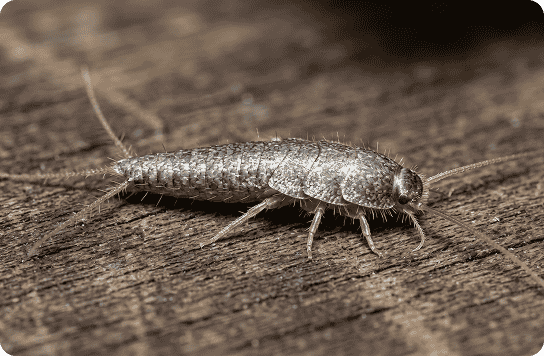
Silverfish commonly indicate excess dampness and hidden paper or cloth sources. They can be less dramatic than rodents, but a increasing presence can point to humid conditions and concealed nesting areas.
Wasps can also become more visible around exterior openings, roof areas, and eaves. Although they are not typically an indoor infestation in the same way as mice or cockroaches, more frequent activity around the home can still mean a nest is nearby and growing.
When DIY watching is no longer sufficient
DIY monitoring can help with early identification, but it has constraints. If you are relying on traps and still noticing more signs, or if baits are not decreasing signs, the problem may be larger than a simple spot treatment can manage. The same is the case if your cleaning routine improves but the pests keep returning.
At a certain stage, the focus should shift from observing the problem to solving it. That usually means blending exclusion, sanitation, and precise control. Exclusion involves blocking the ways pests get in and move, while sanitation addresses the feeding and moisture that keep them around. If those efforts are not enough, the infestation may be settled in places you cannot easily get to, such as wall voids or hidden nests.
DIY monitoring is no longer enough when:
- Feces continue to appear after cleaning.
- Gnaw marks or damage keep showing up.
- You detect scratching noises regularly.
- You notice activity in several rooms.
- There are recurring unpleasant odours, stains, or food contamination concerns.
If you keep discovering evidence but cannot locate the source, you may need a more thorough inspection to determine the true scope of the infestation.
When to call a professional for pest control in Scarborough
Call a pro when signs suggest the problem is growing faster than you can control it. A licensed exterminator can perform a professional inspection to locate hidden nests, identify entry points, and recommend appropriate treatment options. This is especially important if you suspect rodents, cockroaches, or bed bugs, since these pests often hide in hard-to-reach areas and can return as a reinfestation if the underlying cause is missed.
You should seriously consider professional help if:
- You are finding fresh droppings daily.
- There are ongoing scratching sounds in the walls or ceiling.
- The infestation appears to have spread past the kitchen or one room.
- You live in a multi-unit property where pests may move through shared walls and corridors.
- There are repeated sanitation or moisture problems that keep attracting pests.
A solid treatment plan should not only address the visible pests. It should also focus on blocking access, monitoring, and preventative maintenance so the issue does not return. If you are searching for pest control scarborough, choose services that understand local housing styles, seasonal pest pressure, and the way pests travel in shared buildings.
How local conditions in Scarborough can make infestations worse
Scarborough has a diverse mix of housing and building types, and that variety affects how quickly pests spread. Older homes often have aging materials, settlement cracks, and hidden structural gaps that make it easier for pests to get in. Meanwhile, high-rise buildings can create conditions where pests move between units through shared walls, pipes, corridors, garbage rooms, and building mechanical spaces.

In apartment and condo settings, pest activity may grow faster because one unit’s issue can become a building-wide concern. Garbage storage areas, recycling rooms, and utility spaces can serve as frequent food sources or harbourage areas. If one resident has a pest issue, the activity can travel quietly through wall voids or shared service chases before becoming visible elsewhere.
Residences near the waterfront or in older Scarborough neighbourhoods may too deal with dampness problems, especially in the basement. Wet foundations, minor leaks, and humid crawl areas make it easier for pests like ants, cockroaches, and silverfish to stay active. If moisture intrusion is not corrected, pest control becomes harder because the home keeps providing the conditions pests need.
That local mix of older structures, population density, and weather exposure means pest control in Scarborough is seldom just about one room. It often calls for seeing how the whole property supports pest movement.
Preventing a small issue from turning into a more serious one
The best way to halt growing pest problems is to make the home less inviting and harder to enter. This involves reducing available food, moisture, and shelter while remaining consistent with routine inspections. Proactive work is often what separates a brief problem from a long-running infestation.
Focus on these key steps:
- Moisture control: fix leaks, air out damp areas, and dry out wet basements or utility spaces.
- Sealing entry points: seal cracks, gaps around pipes, openings around windows, and other structural gaps.
- Food storage: keep dry goods sealed, clean crumbs quickly, and store pet food properly.
- Sanitation: take out garbage regularly, minimize clutter, and clean spills before they become attractants.
- Routine inspections: examine kitchens, basements, attics, and storage areas for new droppings, chew marks, or nesting.
These measures encourage long-term prevention, but they also let you identify the contrast between a one-time sighting and a growing problem. If your monitoring shows that signs are increasing despite your efforts, that’s a clear signal that professional pest control services may be needed.
FAQ: Typical concerns about escalating pest activity
What are the first signs that pest activity is getting worse?
Initial indicators often involve repeated sightings, an increase in droppings, new chew marks, scrabbling noises, and evidence of nesting. If those same areas continue to show fresh activity, the infestation is likely increasing instead of decreasing.
How quickly can a minor pest concern turn into an infestation?
It varies with the pest, the season, and the conditions in the home. Mice and cockroaches can spread quickly if https://richmond-hill-onkn975.wordcanopy.com/posts/how-to-keep-out-rodents-in-your-attic-in-scarborough they have access to food, moisture, and hidden harbourage areas. That’s why prompt monitoring and prompt action matter.
Do droppings or scratching noises mean pests are spreading?
They can. Droppings and scratching noises often mean pests are moving in hidden spaces such as wall voids, basements, attics, or behind appliances. If these signs are appearing in multiple spots over time, the activity may be growing.
When should I book an inspection for pest control in Scarborough?
Book an inspection as soon as you see recurring signs of infestation, especially if the activity is rising or moving into other parts of the home. A professional inspection is also a good idea if you live in a tall building, an older home, or a shared building where pests may travel between units.
Can seasonal weather in Scarborough make pest activity increase?
Yes. Spring thaw, humid summers, and fall temperature drops all influence pest movement in Scarborough, ON. Seasonal pest pressure can push pests indoors, worsen moisture-related issues, and encourage mice or insects to search for cover and food inside homes.