How Long After Pest Control Can You Clean Your House?
If you’ve just had pest control scarborough visit in your house, the biggest question is usually not whether you should clean, but how long to wait after pest control before you resume. The correct timing depends on the pest control treatment type, where the product was applied, and whether your technician used a residual insecticide, a spot treatment, or a more focused approach for pests like ants, cockroaches, bed bugs, or rodents.
In most cases, the most reliable answer is to adhere to the professional exterminator instructions and respect the product’s drying time and re-entry time. Tidying too soon can disrupt residual protection, reduce treatment effectiveness, and increase chemical exposure. At the same time, many households still need some degree of post-treatment cleaning, especially in busy Scarborough homes where family and pet safety and everyday sanitation matter.
What influences when you can tidy after pest control?
The main factor is the pest control treatment type used in your home. A light crack-and-crevice treatment is very different from a full-coverage spray or a bed bug service that treats mattresses, furniture seams, and baseboards. Some products are designed to keep working after they dry, which is why the technician may tell you not to disturb treated areas. In those cases, the residual insecticide needs time to settle and dry so it can continue eliminating pests over time.
The most important thing to check is the label instructions. That guidance are mandatory, because they tell you when surfaces are okay to touch, when it is safe to re-enter, and whether you can do light cleaning only or should stay out of certain rooms for longer. The label also helps you know the product’s drying time, which can depend depending on ventilation, humidity, and how much was applied.
Practically speaking, if you are asking when you should wipe surfaces after spraying, the answer is generally “not until the treated surface is fully dry, and only if the label or your technician says it is okay.” This is particularly important in homes that require localized pest control, where treatment is focused along trim, cracks, and other key pest travel paths.
Homes in Scarborough can vary a great deal. A detached house in a less busy neighborhood may have stronger natural airflow than a tightly sealed condo. A unit near Etobicoke Creek may also experience more moisture and insect pressure, which can affect both drying and the way you plan home pest management. For this reason the same answer does not work for https://www.google.com/search?kgmid=/g/11pt_5cmb5 every address.
How long to hold off before cleaning different treatment areas
The safest approach is to hold off until the product is completely dry and to refrain from deep cleaning treated zones for several days unless directed otherwise. The exact timeline depends on the room and the kind of service performed.
Baseboards are often treated because pests travel along walls, trim, and edges. If a technician applied a residual product there, do not wipe those lines right away. A gentle dusting above the treated line may be okay later, but vigorous scrubbing can remove the active ingredient. In many cases, baseboards should be left alone until you receive specific guidance from the service provider.
Flooring can be more complicated. If the treatment was applied on hard floors, hold off until the area is fully dry before walking on it, and avoid wet mopping for as long as your technician recommends. On carpets, you may be told to avoid vacuuming certain zones for a set period because repeated suction can remove product from the fibers or edges where insects hide.
Kitchen surfaces need special care because food prep areas must be kept clean while also staying protected from contamination. If a spray was used around kick plates, behind appliances, or along seams, do not clean those spots immediately. Clean only the food-contact areas that were not treated, and never wash away products from target zones unless you are instructed to do so. The same principle applies to bathroom surfaces, where moisture can slow drying and make it tempting to wipe too soon.
For homes in apartment buildings, the drying window may be longer because airflow is often limited. In a compact unit, particularly in older high-density buildings, you may need to keep fans running and windows open where safe to support ventilation. In detached homes, you may have more flexibility to air out the home and let treated areas dry naturally.
If you’re not sure, check with the company for a room-by-room schedule. This is particularly useful for cockroach treatment, where technicians often focus on hidden harbourage zones, and for bed bug treatment, where post-service handling of linens, surfaces, and furniture can impact results.
Can you mop, vacuum, or wipe surfaces after treatment?
This is the point where many homeowners unintentionally lessen the benefit of treatment. The short answer is yes, but only after the proper wait and in the correct areas. Your vacuuming schedule, mopping timing, and approach to spot cleaning should all be determined by whether the product was applied to that area and whether the surface is non-porous or porous.
Generally speaking, vacuuming is often the initial cleaning step people want to do, especially after a bed bug or rodent service. However, if vacuuming is done too early over treated cracks, edges, or carpets, it may remove product before it has time to provide residual protection. If your technician says to wait 24 to 72 hours before vacuuming, take that seriously. That wait period helps preserve the treatment and gives pests time to contact it.
Mopping should usually be postponed longer than dry cleaning because water can strip away residues. If you are asking, safe to mop after pest control, the answer depends on whether the floor was treated. A damp mop used on untreated areas may be fine sooner, but full mopping across treated non-porous surfaces can reduce the product’s lasting effect. In contrast, if a spot was not treated and is clearly safe to clean, a careful wipe may be appropriate.
Spot cleaning is usually the least disruptive option. If a spill happens near, but not on, a treated zone, clean only the affected spill area and avoid touching the treated edges. That matters with sanitizing surfaces in kitchens and bathrooms, where homeowners often want to disinfect everything immediately. If the area was treated, avoid using harsh cleaners there until the service provider confirms it is safe.
There is also a difference between non-porous surfaces and porous surfaces. Countertops, tile, sealed sinks, and some finished flooring are non-porous and can often be wiped sooner if they were not directly treated. Fabrics, drywall, carpet, unfinished wood, and insulation are porous and may hold treatments longer or call for greater caution. That distinction is critical for effective cleaning after pest treatment.
For optimal outcomes, keep cleaning to the minimum at first. Several exterminators advise minimal cleaning only for the opening period, then a more complete tidy-up later. If a service includes a follow-up pest service, check whether cleaning too early could disrupt that second visit.
What to do before and after pest control in Scarborough homes
Good outcomes start before the technician arrives. Pre-treatment preparation may cover shifting small items, clearing under sinks, removing food from counters, and reducing clutter in areas where pests hide. In Scarborough homes, especially in older properties and dense buildings, preparation can bring about a major difference because pests often move through tight voids and shared walls.
After the service, focus on post-treatment precautions. This usually means avoiding treated areas until the stated re-entry time, keeping kids and pets away from damp surfaces, and not washing away product from cracks, baseboards, or other target zones. If you live in one of the many apartment buildings near major corridors like Kennedy Road, Midland Avenue, or Ellesmere Road, be especially mindful that pests can move between units, so treating and cleaning carefully matters even more.
In detached homes, the pest pressure may be different, but the same principles apply. Basements, utility rooms, and garage-adjacent spaces can still be treated with residual products, and those areas often need longer to dry because airflow is weaker. Detached houses also tend to have more varied layouts, so it’s worth asking the provider which rooms were treated and which can be cleaned sooner.
For both unit types, think of the first 24 hours as a protection window. The goal is to let the treatment settle, preserve treatment effectiveness, and avoid disturbing insect pathways. That is especially important when you are trying to manage persistent infestations with a structured home pest management plan.
How pest management timing differs by type of pest
The pest itself alters the follow-up timeline. Different pests hide in different places, demand different products, and respond differently to cleaning.
Ants are often managed along travel routes, baseboards, windowsills, and entry points. With ant control, technicians may use baiting or targeted sprays. If bait is involved, overcleaning can remove the trail or make the bait less attractive. If a residual spray was used, avoid cleaning the route until directed.
Mosquito Man Scarborough1225 Kennedy Rd, Scarborough, ON M1P 4Y1, Canada
+1 647-243-7241
https://maps.app.goo.gl/8SuLx1MkkqVJFc2m9 https://mosquitoman.ca/pest-control/scarborough/
43.7561897, -79.2751574
Cockroaches often require focused, targeted treatment because they hide in tight cracks near kitchens, appliances, and plumbing lines. In cockroach treatment, technicians may rely on a combination of bait, dust, and spot applications. Cleaning too soon can reduce the effect of the chemical and physical control methods used to break the infestation cycle.
Bed bugs are especially sensitive to post-treatment handling because the service often involves multiple steps. In bed bug treatment, you may be told to avoid laundering, vacuuming, or moving items until a specific time. Deep cleaning after treatment can be helpful later, but early aggressive cleaning can spread bugs or remove product from seams and edges.
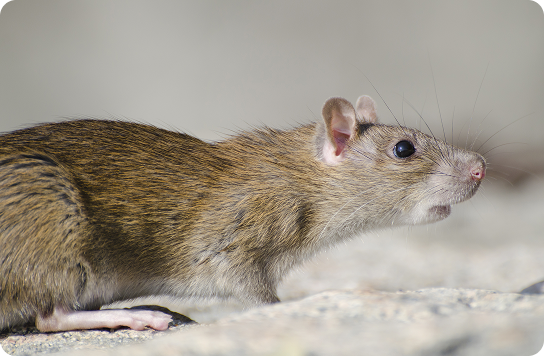
Rodents are different because the service may involve trapping, exclusion, and sanitation instead of broad spray application. With rodent control, cleaning often focuses on removing droppings safely after the technician confirms the area is secure. In some cases, disinfecting is needed, but only after you know there is no active exposure risk.
Across all pest types, the biggest rule remains the same: the right timing protects both your home and the treatment. That is why locally focused services for pest control scarborough should always be paired with clear instructions about the exact product and method used.
When is it okay to wash up if you have kids or companions?
If your family includes children and pets, you need to be especially careful about both re-entry time and the timing of cleaning. Children crawl, touch floors, and put hands in their mouths more often than adults, and pets may lick treated surfaces or walk through damp product. That means the most cautious approach is to wait for total drying, plus any extra time recommended by the technician.
Fresh air is very helpful during this window. Open windows where weather permits, use fans to improve room airflow, and keep rooms closed off if needed. Better airflow can shorten drying time after treatment, but it does not replace the label directions. If the product requires a certain re-entry period, that instruction still applies even if the room seems dry.
For families, it is often best to do only basic cleaning only in untreated areas during the first phase. Delay toy washing, floor scrubbing, and deep sanitizing in any room that was directly treated. If your provider says it is okay, clean food-contact items separately and keep children away from any area where chemical residue may still be active.
Pets should be kept out of treated rooms until the service provider confirms it is safe. Cats in particular can be sensitive to residual products, and dogs may track product across other areas. If the home has litter boxes, aquariums, or pet bedding, ask for explicit instructions before cleaning or moving anything.
Scarborough-related pest control cleaning tips
Scarborough includes a broad range of high-rise condos, townhomes, and older low-rise stock, and that mix affects post-service housekeeping. In taller buildings, airflow can be limited and shared walls may allow pests to migrate, so cleaning should be thorough and coordinated. In basement apartments, humidity and reduced ventilation can extend drying time, which means you may need to allow more time before mopping or wiping treated edges.
Humid summers in Scarborough create another layer of difficulty. Moisture can render kitchens, bathrooms, and basements more attractive to insects, and it can also slow product drying in some rooms. During mild months, keep an eye on condensation around windows and pipes, especially in older buildings and homes near the city’s busier corridors.
In areas near Etobicoke Creek, moisture and outdoor conditions may encourage more insect activity in some parts of the year. This doesn’t mean you should adjust how you clean every day, but it does mean post-treatment housekeeping should be mindful to entry points, water issues, and clutter that could support a new infestation.
Winter also matters. During winter pest pressure, pests often seek shelter indoors to avoid Toronto and Scarborough cold spells, and that can boost pest activity in interior walls, basements, and utility rooms. In that season, don’t start cleaning early before the treatment has had time to work. Leaving the product undisturbed for the full recommended period can help interrupt the cycle and reduce the need for repeated service.
Whether you live in a condo near transit, a basement suite, or a detached home with a finished basement, the best approach is still the same: honor the re-entry window, use careful cleaning, and maintain residual control where it was intentionally placed. That balance gives you a more clean home without undermining the pest solution.
Frequently asked questions about cleaning after pest control
How much time should I wait to clean after pest control?
Hold off until the treated areas are fully dry and comply with the professional exterminator instructions for your specific service. For many treatments, that means avoiding deep cleaning for at least 24 hours, and occasionally longer if the technician used a residual insecticide or treated high-contact areas like baseboards and flooring. The safest answer is always based on the exact product, the drying time, and the stated re-entry time.
Can I vacuum right after pest control?
Typically not over treated areas. Vacuuming too early can remove product from carpets, cracks, and edges, especially after cockroach treatment or bed bug treatment. If vacuuming is part of your plan, follow the vacuuming schedule given by the technician. In some cases, you can vacuum untreated spaces earlier, but stay away from disturbed areas until you are told it is safe.
Is it okay to mop the floor after pest control treatment?
It depends on whether the floor was treated and whether the product is meant to stay behind as residual protection. Mopping can remove that protection from treated non-porous surfaces. If you are asking about safe to mop after pest control, the answer is usually to hold off until the recommended period has passed, especially if the product was applied along seams, edges, or around baseboards.
Will cleaning too soon reduce the pest control treatment's effectiveness?
Yes, it may. Early post-treatment cleaning may wipe away the product before pests contact it, which can diminish treatment effectiveness and shorten the life of the service. That is why many technicians advise keeping to light cleaning only at first and avoiding deep scrubbing until the treated zones have done their job. This matters for both ant control and more complex services like rodent control and bed bug treatment.
What cleaning products are safe to use after pest control?
Use only the products approved by your technician or listed in the label instructions. Mild soap and water may be fine on untreated non-porous surfaces, but harsh disinfectants, bleach, and strong degreasers can interfere with treatment if used on treated areas. If you need to do sanitizing surfaces in kitchens or bathrooms, ask specifically what is safe for that room and whether the area was part of the spot treatment. When in doubt, wait and seek clarification before cleaning.