How Can I Remove Pantry Pests in Mississauga?
If you’ve unsealed a bag of flour and found tiny bugs, fine webbing, or wriggling larvae, you’re likely dealing with pantry pests. In Mississauga, this problem shows up in all kinds of homes: older houses with original cabinetry, newer condos with compact kitchens, and townhomes where dry goods are stored close to warm appliances. The quickest way to resolve the issue is to identify pantry pests, remove infested food, wipe down the entire storage area, and then use airtight storage and moisture control to keep them from returning.
For many homeowners, the best solution starts with simple sanitation, but a serious food infestation may require professional pest control. If you’re searching for pest control Mississauga or even pest control near me, it helps to know what you’re dealing with before you choose a local exterminator. The right mississauga pest control provider can handle a kitchen pest issue quickly and help you avoid another infestation.
What are pantry pests and how can I tell if I have them?
Pantry pests are insects that infest stored food products. They’re also called stored product insects because they consume cereals, flour, spices, pet food, pasta, nuts, and other dry goods. Common examples include grain beetles, weevils, flour moths, Indian meal moths, rice weevils, and dried fruit beetles.
The symptoms can be easy to miss initially. You may notice small insects crawling inside a package, clumping in flour, fine webbing near the corners of a shelf, or small holes in packaging. Some species leave behind powdery traces, shed skins, or tiny larvae and eggs hidden in seams. In Mississauga homes, these problems often start in a pantry, but they can also appear in basement storage areas, utility rooms, or kitchen cupboards near warm appliances.
If you want to identify pantry pests properly, check every item in the affected cabinet. Look for movement, webbing, unusual smells, and powdery debris. In a condo or townhouse, the infestation can spread faster because food storage is often concentrated in a smaller area. In older Mississauga homes, gaps around cabinetry, baseboards, and windows may make it easier for pests to move from room to room.
Tip: If you see more than one type of insect in the pantry, you may have a broader contamination issue rather than a single package problem.
What should I throw out first in a pantry pest infestation?
First, remove every item that could be contaminated. Focus on dry goods such as flour, oats, cereal, rice, nuts, dried fruit, baking mixes, seeds, and pet food. If a package shows signs of webbing, holes, live insects, or clumped material, treat it as the food infestation.
It’s best to discard contaminated packages immediately, especially if you can see insects, larvae, or eggs inside. It’s not worth trying to sort through food that may have been exposed. Packages that appear sealed may still be unsafe if the pests entered before the product reached your home, or if the packaging was damaged in storage.
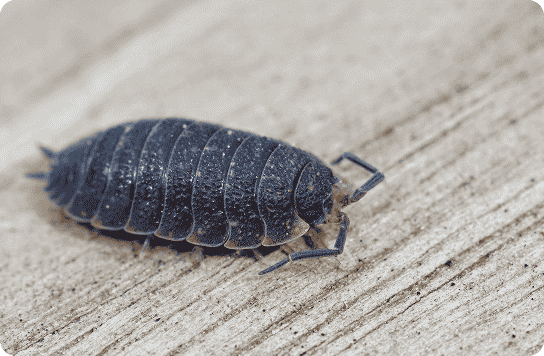
Stored product insects may remain in surprisingly small food particles, so check not just the obvious items but also spice jars, tea boxes, baking supplies, and forgotten items in the back of the pantry. In Mississauga, bulk buying is common for busy families, and summer humidity in Southern Ontario can make stored food more attractive to pests. This is why you should inspect any bulk dry goods carefully.
When the pantry is empty, bag everything that looks questionable before taking it outside. This lowers the risk of spreading insects through the kitchen or hallway. If you’re unsure whether a product can be saved, a good rule is simple: if you’re uncertain, discard it.
What is the best way to clean my pantry to eliminate pests?
After discarding the affected food, the next step is thorough kitchen sanitation. You need to remove crumbs, residue, and hidden eggs so the pests don’t come back. Start by taking out shelf liners, cardboard, and any loose packaging. Then clean shelving thoroughly using a vacuum and a damp cloth.
Clean corners, shelf holes, cabinet seams, and the edges where crumbs collect. Pay extra attention to cracks in older cupboards and along trim. After vacuuming, empty the vacuum contents immediately into a sealed bag and take it outside. This matters because larvae and eggs can survive in the debris if it sits indoors too long.
Next, wash the shelves with hot soapy water or another safe cleaner and follow with sanitizing kitchen surfaces. Wipe down nearby counters, drawer fronts, handles, and the floor around the pantry. If you store food in a utility closet or basement locker, clean those areas too. In townhomes and condos, pests can spread through adjacent storage zones, so don’t assume the pantry is the only place affected.
When you repack food, use vacuum sealing where possible for opened bags, especially for flour, grains, and specialty ingredients. This helps reduce exposure while you rebuild your pantry system. For a stronger long-term solution, transfer dry goods into food-grade containers with tight lids. That supports better airtight storage and makes it easier to inspect food at a glance.
Finally, make a short sanitation checklist so you don’t miss any steps:
- Remove all food from the cabinet
- Inspect and discard contaminated packages
- Clean shelves, corners, and cracks
- Wash and dry all surfaces
- Keep only clean items in sealed containers
- Monitor the area for new activity
What stops pantry pests from coming again in Mississauga?
What matters most is to prevent re-infestation by removing the conditions pests need to survive. In Mississauga, that means paying attention to storage habits, indoor humidity, and possible access routes around the kitchen. Homes across the city vary widely, from older neighbourhoods with more structural gaps to newer condo buildings with shared walls and compact storage. Both can create opportunities for pests if food is left unsealed.
Use airtight storage for storing all open dry foods. Do not keeping bags folded down or clipped shut for long periods. Clear jars, sturdy containers, and airtight bins work well for flour, rice, cereal, and snacks. If you frequently buy in bulk, divide larger packages into smaller containers so you can notice any early signs of activity.
Entry points also matter. Pantry pests often arrive in food, but they may also enter through gaps around windows, utility penetrations, cabinet joints, or damaged weatherstripping. Check nearby areas and seal cracks where appropriate. In older Mississauga homes, the basement-to-kitchen route can be particularly important if storage is dispersed.

Managing moisture is also another major factor. Southern Ontario summers can be moist, and pantry pests tend to do well when conditions are warm and damp. Use ventilation, repair leaks promptly, and keep food storage dry. If you store dog food, birdseed, or other dry goods in a garage or basement, those areas need extra attention because temperature swings and humidity can create ideal conditions.
To remain ahead of the pest problem, check pantry shelves often. Place sticky traps near storage areas if you want an initial warning sign. Check for damaged packaging, moth activity, or small beetles before the infestation grows. Ongoing monitoring is one of the simplest ways to keep safe your kitchen.
When should I call pest control Mississauga for pantry pests?
You should contact pest control Mississauga if the problem keeps coming back, if you can’t locate the source, or if you see pests in several rooms. A one-time cleanup may work for a small issue, but repeated activity usually means there’s a hidden infestation source. That’s when professional inspection becomes useful.
A trusted local exterminator can look past the obvious pantry and check for structural issues, adjacent food storage, or hidden breeding sites. This is especially helpful in Mississauga homes with finished basements, shared condo walls, or older cabinets where pests may hide in cracks. A professional can also recommend a practical kitchen pest treatment plan that fits your home and household routines.
Searches like pest control near me in Mississauga often show companies that serve nearby neighbourhoods and surrounding GTA communities. That can be helpful if you need fast scheduling or same-day service. Good providers will explain whether you need immediate treatment, cleanup guidance, or a follow-up visit. If the infestation is active, a follow-up treatment may be needed to catch any pests that were missed the first time.
Mosquito Man MississaugaPlaza 3, 2000 Argentia Rd Ste 400, Mississauga, ON L5N 1V9, Canada
+1 705-230-6577
https://maps.app.goo.gl/1uX4a5KCEf9RgE8t5
https://mosquitoman.ca/pest-control/mississauga/
43.5985085, -79.7411710
If you’re comparing providers, look for clear communication, experience with pantry pests, and strong local knowledge. The right company should know how to handle both the sanitation side and the inspection side, not just spray and leave.
How much does pantry pest control cost in Mississauga?
The pest control mississauga cost for pantry pests depends on the scale of the issue, the type of insect, how widespread the contamination is, and whether you need follow-up visits. A basic inspection and targeted treatment will usually cost lower than a larger job involving multiple rooms, major cleanup, or repeat service.
In many cases, the biggest cost variable is the amount of preparation needed. If the pantry is loaded with bulk items or stored food in several areas, the cleanup takes longer. Homes in Mississauga with multiple storage zones, such as kitchens plus basement pantries, may need extra detailed service. If pests are discovered after they’ve spread into hard-to-reach cabinet voids, the job can become more involved.
Many people look for the best pest control mississauga provider by balancing price, response time, and service quality. That’s sensible, but don’t choose based on cost alone. A marginally higher price from an seasoned company may save you money if they solve the problem fully the first time.
If you need immediate help, ask whether the company offers same-day service. That can be especially important if you’ve found pests in baby food, baking supplies, or a kitchen used heavily by family members. A reputable local exterminator should be able to explain the scope, timeline, and whether a follow-up is part of the plan.
Which Mississauga exterminators do people compare?
People often review abell pest control mississauga, ar pest control mississauga, and pestend pest control mississauga when searching for pantry pest help. That’s normal in a city like Mississauga, where residents want a provider that can take care of both routine inspections and urgent kitchen calls.
When reading pest control Mississauga reviews, focus on comments about communication, scheduling, treatment explanation, and whether the company resolved the issue fully. Reviews are especially useful when they mention pantry pests specifically, because not every pest company has the same level of experience with stored product insects.
Some homeowners also compare options across the GTA, including pest control toronto and pest control brampton, to see how service availability and pricing vary regionally. That comparison can be helpful if you live near the city’s borders or commute across the region, but local service experience still matters most. In a place like Mississauga, where homes, condos, and townhomes all present different storage challenges, a provider familiar with local conditions can be a better fit than a general option farther away.
No matter which company you choose, ask whether they offer a clear inspection process, advice on prevention, and follow-up if needed. Pantry pest control works best when it addresses both the insects and the habits that allowed them to appear.
Are pantry pests related to mice or other kitchen pests?
Pantry pests are not the same as mice, but they can show up alongside other kitchen pest issues. If you’ve also seen droppings, gnaw marks, or shredded packaging, you may need mice control mississauga in addition to pantry pest cleanup. Mice and stored product insects can both target kitchens because food is easy to access there.
This is why a proper kitchen pest control approach should address the full surroundings, not just a single cabinet. Stored-food pests focus on dry goods, while mice are in search of a place to hide and a broader food supply. If both are present, the issue may involve several access points and hidden nesting or storage or storage problems.
In Mississauga homes, especially older properties with more openings for entry, it’s often the case for one pest issue to reveal another. If food is left open, crumbs build up, or pet food is stored loosely, the kitchen becomes attractive to several types of pests at once. That’s why cleanliness, caulking, and inspection all are important.
Do pantry pests spread to other rooms?
Certainly, they may. If you cannot locate the infestation source, pantry pests may spread from the kitchen into nearby cupboards, utility rooms, or other storage areas. Certain species spread because larvae and eggs are already present in a package before you bring it home. Others wander or take flight from the original item and settle elsewhere. That’s why it’s important to monitor pantry areas and nearby cabinets after cleanup. The goal is to catch hidden activity before it starts a new cycle.
Does freezing or warming food destroy pantry pests?
Yes, freezing pantry staples can potentially help destroy pantry pests in particular situations, especially for items you want to keep and that show only limited exposure. Controlling temperature matters because many pantry pests can’t survive extreme cold for long enough if the food is sealed properly. Heat can likewise be effective in certain treatment settings, but it must be handled carefully so food stays safe and usable. If you’re unsure whether a product is salvageable, especially after a serious infestation, it’s safer to discard it rather than guess.
For many Mississauga homeowners, https://oakville-ontx380.publishlane.com/posts/pest-control-in-mississauga-nearby-support-rates-and-what-to-look-for the best method is still prevention: check purchases as soon as possible, place food in airtight containers, and keep an eye on humidity. That approach is the most effective way to reduce the chance of another infestation.
FAQ
Which pantry pests are most commonly found in Mississauga homes?
The most common pantry pests in Mississauga homes include grain beetles, weevils, flour moths, Indian meal moths, rice weevils, and dried fruit beetles. These stored product insects often arrive with dry goods such as flour, cereal, rice, pet food, spices, or baking ingredients.
Is it safe to keep food after finding pantry pests in it?
Occasionally, but only if the contamination is minimal and the food can be safely handled, such as with freezing dry goods. If you see silk webbing, maggots, eggs, or active insects, it’s generally best to discard contaminated packages. When food infestation is severe, saving the product is not worth the risk.
How long does it take to get rid of pantry pests completely?
That depends on how quickly you remove contaminated food, clean thoroughly, and seal the remaining items. Minor infestations may get better quickly, but full control can take longer if hidden larvae and eggs are present. In some cases, a follow-up treatment or continued monitoring is needed to prevent pests coming back.
Do pantry pests mean I require professional pest control Mississauga service?
Not necessarily, but a professional service is a good idea if the infestation keeps returning, moves past one cabinet, or you cannot locate the source. A thorough inspection from a reliable Mississauga pest control provider can help save time and reduce the chance of failing to notice hidden contamination.
How can I identify pantry pests apart from mice or other kitchen pests?
Pantry insects are typically tiny bugs found in stored food, while mice leave droppings, bite marks, and nesting matter. If you need mice control mississauga as well as kitchen pest treatment, the issue may involve both pantry insects and rodent activity. Reviewing the damage pattern and where you notice it is the best way to spot the difference.