Bee Relocation in North York: Careful, Community-Based Pest Control Options
When Bee Removal Is Needed in North York
Bee extraction becomes necessary when a bee infestation starts impacting well-being, ease, or use to a property. In North York, that can happen on a single-family house in Willowdale, a townhouse near Downsview, or a condo building in Bayview Village where bees are using hidden gaps as a nesting site. The primary warning signs include repeated bee traffic in one area, a visible swarm on a tree, fence, or exterior wall, and buzzing sounds coming from behind siding or trim.
Not every bee issue is urgent in the same way, but a growing bee colony can become challenging to manage if it settles into a structure. A honey bee cluster may appear harmless at first, yet if the colony establishes itself inside a building, safe nest removal should be arranged quickly. In many cases, the goal is safe removal that safeguards both people and the bees, especially because honey bees and other pollinators play an valuable role in the local environment.
Ground-level issues matter too. A ground nest near a walkway, play area, loading dock, or garden bed can cause conflict with daily use of the property. If bees are entering and exiting a hole in the soil, that activity should be assessed carefully. In North York, changing weather and seasonal activity often raise sightings in spring and again in late summer, when colonies are more active across the Greater Toronto Area.
When a situation involves repeated stings, aggressive behaviour near entry doors, or a visible nesting area in a wall or attic, it is time for inspection and a professional risk assessment. That is especially true for households with children, pets, or allergy concerns.
Typical Bee Issues in North York Homes and Businesses
Properties in North York commonly include construction elements that make bee access easier than many people expect. A undisturbed attic, a concealed wall void, or an visible roofline can all become attractive places for bees to nest. Both older homes and updated properties may have tiny spaces where bees can move inside, and after a colony forms, the problem can grow beyond the original opening.
In residential neighborhoods and mixed-use zones, bees may enter through worn trim or loose flashing near the soffit and eaves. These areas are especially important because they often connect to hidden cavities where a colony can spread without immediate notice. In a condo or stacked townhouse setting, access can be more difficult, and the location of the nest may not correspond to the visible entry point.
For a commercial property, bee activity can affect customers, staff, and deliveries. Commercial plazas near major corridors in North York often have roof openings, loading areas, sign boxes, and wall penetrations that can attract bees. Food service businesses, office spaces, medical clinics, and shops all benefit from prompt inspection because a visible swarm near a front entrance can disrupt business operations.
Bee issues can also overlap with routine maintenance. If a colony settles near vents, soffit openings, utility penetrations, or decorative trim, the property may need something beyond basic removal. In those cases, the service often includes identifying the access route, confirming the nesting site, and planning repairs that support long-term property protection.
Secure Bee Removal Techniques and the Process
Proper bee removal emphasizes humane removal and prevention instead of broad-spectrum extermination. In many cases, especially if honey bees are involved, the best solution is bee relocation when conditions allow it. This method follows environmentally responsible pest management and protects the role of bees as pollinators.
Professionals typically begin with species identification to determine whether the insects are honey bees, bumble bees, or some other stinging insect. This matters https://richmond-hill-oncd754.quantlynix.com/posts/how-to-handle-a-mouse-infestation-within-your-north-york-attic because the method changes depending on the species and the location. A qualified provider may suggest extermination alternatives if the species and structure allow for removal without unnecessary harm.
During service, technicians use protective equipment and use a process designed to reduce exposure and control movement around the nesting site. The work may involve opening a section of the structure, removing comb or nest material, and ensuring the area is safe for repair. If bees are inside a building, sealed entry points are important after the colony is removed, because leaving openings behind can allow re-entry or other pest problems.
The process also depends on access. In an attic or wall cavity, the technician may need to assess insulation, void space, and nearby materials. Some jobs are straightforward, while others require coordination with a contractor for post-removal patching. The overall goal is not just removal, but a complete plan that includes cleanup, closure of access routes, and steps to prevent the issue from returning.
Quality bee service is more than taking insects away. It includes species identification, humane relocation when possible, and sealing the structure so the problem does not return.
Bee Extraction against Wasp Extraction vs. Hornet Management
It can be easy to mistake bumble bees with other biting pests, but the separation matters. A wasp colony usually looks unlike other nests from a bee colony, and a hornet colony tends to have its own design and behavior traits. Honey bees are generally more likely to be treated as valuable pollinators, while wasps and hornets can present different risks and often require separate control strategies.
This is why proper identification should come first. Apis mellifera may be candidates for translocation, especially when the colony can be safely reached and removed. Bumblebee colonies may nest in ground areas, wall cavities, or other protected spaces, and their management may be more localized. Wasps and hornets, by contrast, are usually handled through other pest control methods tailored to the species, the nest location, and the level of threat.
For property owners in North York, the most common mistake is assuming every flying insect problem is the same. A nest under the roofline of a detached home in Willowdale is not the same as a paper nest near a commercial entrance in a shopping plaza. The wrong approach can increase risk and damage the property, so a proper assessment should be based on the insect, the structure, and the season.
In short, bee work is often more about gentle removal and eco-conscious management, while wasp and hornet jobs usually follow a more aggressive control strategy. Knowing the difference helps homeowners and business owners choose the right service and set realistic expectations.
In what way Pest Control North York Providers Handle Bee Calls
Professional pest control North York companies usually begin with a careful inspection. A local technician will look for bee activity, find the likely entry route, and determine whether the issue involves a visible swarm, a colony inside the structure, or a nest hidden somewhere around the exterior. The inspection may include the attic, soffit line, roofline, and any obvious cracks or openings.
After the inspection, the provider creates a treatment plan based on the species, access, and severity of the problem. For a simple outdoor swarm, the plan may be quick and focused. For a hidden nest in a wall void or behind the eaves, the plan may involve more time, access preparation, and follow-through. The best services use integrated pest management principles, which means combining careful evaluation, humane action, and long-term prevention.
In many cases, a follow-up is important. A follow-up visit or follow-up inspection helps confirm that the bees are gone, no new activity is developing, and any sealed openings remain secure. This is particularly helpful for buildings with multiple access points or for properties where the original nesting site was difficult to reach.
Some calls are urgent and require same-day service, especially if bees are concentrated near entrances, daycare areas, patios, or loading zones. A quick emergency response can reduce disruption and help protect people while still keeping the approach environmentally responsible. Whether the call is for a home or a business, the service should balance safety, speed, and long-term prevention.
Prevention Tips for North York Properties
Being proactive is one of the most effective parts of bee control. In North York, where detached homes, townhouses, condominiums, and commercial properties often share tight lot lines and complex building details, small gaps can become easy access routes. Strong entry sealing helps reduce the chance that bees will move into a structure from the start.
Pay close attention to eaves, soffits, roof transitions, vents, and trim joints. These are common weak points on many urban buildings, and they can create openings that allow bees to enter hidden spaces. If you have had a bee problem before, inspect those areas seasonally and look for damaged caulking, lifted flashing, or gaps around utility lines.
Landscaping also matters. Thick shrubs against the building, piles of yard debris, and unmanaged garden spaces can make it harder to spot new bee movement. Keeping vegetation trimmed back from the exterior makes inspections easier and can reduce the chance of nesting close to the structure. For ground-level concerns, fill holes carefully and monitor areas where bees may try to establish a new nest.
Good prevention also includes routine maintenance after a removal. If a colony was found in an attic or wall void, the structure should be checked again after repairs to confirm that there are no remaining openings. The most effective strategy is a blend of maintenance, monitoring, and prevention-focused pest control rather than waiting for the next swarm to appear.
Bee Removal Pricing, Timing, and Rapid Dispatch
A price estimate for bee work depends on several details, including access, species, nesting location, and the amount of repair needed after removal. A colony in a visible exterior spot may be simpler and less expensive than one hidden deep inside a wall void or roofline cavity. The extent of infestation also matters, because larger colonies can take more time and more careful handling.
Scheduling affects both pricing and response. During peak seasonal demand, especially in spring when swarm calls rise and in late summer when nesting pressure increases across the Greater Toronto Area, appointments may fill quickly. In those periods, same-day options can be especially valuable for homeowners and business operators who need fast attention.
Some situations justify rapid service or urgent dispatch, such as bees near an entrance, inside an occupied building, or around a busy commercial corridor. If the issue is less immediate, scheduling a planned visit may still be the smartest option, especially when access planning is needed for an attic, soffit, or roofline.
Because every property is different, a clear quote should explain what is included: inspection, removal or relocation, sealing, cleanup, and any follow-up work. That transparency helps clients compare options and choose a service that fits their needs without surprises.
Why Local Regional Expertise Counts in North York
North York has a combination of older homes, new builds, high-rise residences, and busy business districts, so bee service has to fit the local environment. A provider familiar with North York understands how urban access challenges, parking limits, condo rules, and mixed-use buildings can affect scheduling and job planning. That kind of expertise counts whether the call comes from a townhouse near a residential street or a plaza close to major roads.

Local knowledge across Toronto and Ontario also helps with seasonal expectations. Spring swarm activity often creates urgent calls, while late-summer nesting pressure can cause more hidden colonies in structures. A technician who serves regularly in the area is more likely to recognize those patterns and plan accordingly.
North York’s urban neighbourhoods create unique access issues as well. Dense housing means bees may be entering through shared rooflines, narrow side yards, or concealed cavities that are difficult to inspect without experience. That is why local service should be more than a generic response; it should pair region-specific knowledge with careful, property-focused work.
Whether the property is residential or commercial, the right approach should prioritize security, humane outcomes, and effective prevention. That combination is what makes local pest control especially important in a city setting.
Frequently Asked Questions About Bee Removal in North York
When should I know if I need bee removal in North York?
If you see a persistent swarm, hear buzzing inside an attic or wall void, or notice bees entering one spot near the roofline, soffit, or eaves, you likely need an inspection. A homeowner should also act quickly if bees are gathering near entrances, decks, or play areas. Repeated activity often means a nesting site is established.
Are bees taken away or moved by pest control North York providers?
In many cases, yes. Professional pest control North York providers often focus on humane relocation when the species and access conditions allow it. With honey bees, the service may focus on careful nest removal and transferring the colony rather than using harsher methods. The exact plan depends on species identification and the safety of the site.
How much does bee removal usually cost in North York?
Cost depends on the infestation, the infestation size, and where the bees are nesting. A simple exterior call may cost less than a colony in a complex wall cavity or attic. A provider should give a clear service quote after inspection so you know whether sealing, cleanup, or a follow-up visit is included.
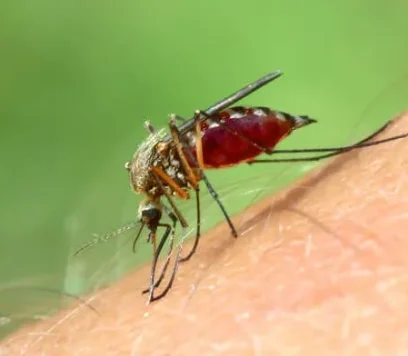
Can bees come back after removal?
Yes, they can if the original access route is left open or if the property still has attractive gaps. That is why prevention, entry sealing, and sealed openings are so important. Proper post-removal work reduces the chance of re-entry and helps protect the property through future seasonal activity.
Is it safe to remove a bee nest myself?
It is usually not a good idea. A bee nest can be difficult to reach, and disturbing it without protective gear can cause defensive behaviour and stings. DIY removal can also damage the structure or miss a hidden colony in a wall void or attic. For safety and long-term results, it is better to arrange professional bee removal with proper inspection and a plan for property protection.