Apartment Pest Control in Scarborough: What Tenants Need to Know
For residents looking for pest control Scarborough solutions, condo living brings a distinct set of challenges than a detached home. In Scarborough, ON, notably across Toronto’s east end around Scarborough Town Centre, Kennedy, Birch Cliff, and other crowded apartment buildings, pests can move quickly between units, through hallways, and across shared walls. That means one unit’s infestation can become a building-wide infestation if it is not treated with the right plan.
Effective condo pest control is not just about spraying a unit and hoping for the best. It often requires inspection, coordinated extermination, proper exclusion, strong sanitation, and ongoing monitoring. In many cases, the most effective approach is integrated pest management, which pairs preventive steps, targeted baiting, traps, and follow-up service to reduce the chance of recurrence.
This article explains how apartment pest control and condo treatment works in Scarborough, what pests are most common, and how tenants, owners, landlords, property managers, and the condo board can work together to protect the building and support public health.
Why condos in Scarborough experience specific pest issues
Many condo buildings in Scarborough are densely populated properties with lengthy passageways, service shafts, and crowded common areas. That structure forms easy entry points for pests and makes it simpler for them to spread from one suite to another. In buildings with heavy foot traffic, deliveries, and shared waste systems, pests can find food, water, and harbourage in a matter of days.
Building maintenance matters too. If there are leaks, broken seals, worn door sweeps, or open service penetrations, pests can travel through wall voids and ceiling spaces. In condos, especially older towers near Kennedy or around Scarborough Town Centre, shared walls and connected ventilation can make it harder to isolate the source of an infestation. A single overlooked gap can undermine otherwise good pest prevention.
Scarborough’s climate also creates extra pressure. In the Greater Toronto Area, seasonal rodent activity often increases when temperatures drop, while cockroaches and ants can surge when warmth and moisture are available indoors. Winter drives mice toward heated structures, and summer humidity can increase activity in kitchens, garbage areas, and laundry rooms. In a condo, those pressures are amplified because many residents share the same building systems.
The most common condo infestations in Scarborough
Most service requests for pest control Scarborough in condo and apartment buildings usually involve 4 pests: cockroaches, bed bugs, ants, and rodents. Every one behaves differently, and each of them requires a specific treatment plan.
Roaches are a common issue in multi-unit housing because they can hide in cracks, behind appliances, and around plumbing. They are active at night, breed quickly, and are often found near kitchens, dishwashers, and waste areas. Cockroach control usually needs a mix of sanitation, baiting, residual treatment, and ongoing monitoring.
Bedbugs are a major concern in dense housing. They spread through luggage, furniture, hallway movement, and sometimes between adjacent units. A bed bug problem is stressful because bites may show up before the insects are seen, and infestations can persist without a thorough treatment strategy. Professional bed bug treatment in condo settings often requires preparation, inspection of adjacent units, and careful follow-up.
Ant colonies may seem minor at first, but they can become a recurring nuisance in kitchens, bathrooms, and balcony door frames. Different species require different approaches, so ant control depends on finding the nest and understanding how the colony is moving into the building. Moisture, crumbs, and spills often attract them.
Mice are especially common in fall and winter. A small opening can give them access to storage rooms, suites, garbage areas, and mechanical spaces. Mouse control and broader rodent control usually focus on exclusion, traps, sanitation, and sealing entry points. In condo buildings, mice may travel between suites through plumbing and structural gaps, which is why building-wide action is often necessary.
Indicators your condo has a pest problem
It is easier to solve a pest problem early before it spreads further. Typical warning signs are droppings, an abnormal odor or odour, bite marks, and direct sightings of insects or rodents. These signs often appear in kitchens, bathrooms, closets, around baseboards, or near garbage storage areas.
Rodent droppings in cupboards, under sinks, or near appliances are a clear sign that a mouse problem may already be established. A stale or oily odor can point to cockroaches in hidden harbourage areas. Bed bugs may leave small dark spots, shed skins, and bite marks on exposed skin. With ants, you may first see trails along counters, window edges, or around food https://www.bing.com/maps/directions?rtp=~adr.1225%20Kennedy%20Rd%20Scarborough%2C%20ON%20M1P%204Y1%20Canada storage containers.
Do not ignore one or two sightings. In condos, a small problem can be a clue that pests are moving through the building. If you notice repeated activity, notify the property manager or landlord quickly so the issue can be documented and addressed. Fast action reduces the risk of spread to neighboring units and common spaces.
What causes pest infestations in apartment and condo buildings
Most infestations are not caused by one single mistake. They usually stem from a combination of gaps and cracks, food waste, dampness, and open points of entry. In apartment and condo buildings, pests take advantage of the places people rarely check: behind appliances, around pipe penetrations, inside wall voids, and beneath utility chases.
Leftover food is a major driver of pest activity. If garbage chutes are overflowing, bins are left open, or food is left in hallways, pests have a reliable source of sustenance. Cockroaches thrive where crumbs, grease, and spills are common, while rodents are drawn to improperly stored waste and pet food. Even a small amount of discarded food in a common area can support nesting and activity.
Moisture is equally important. Leaky pipes, condensation, damp basements, and poor ventilation create ideal conditions for cockroaches and ants. Mice also benefit from hidden moisture because it helps them settle into safe nesting areas. In Scarborough’s tall buildings, once pests find food and water in one area, they can move through connected spaces and create recurring problems.
Routine upkeep is critical. Sealing gaps, repairing damaged screens, closing cracks around pipes, and checking common-area doors are all part of effective entry prevention. When those issues are neglected, pest pressure tends to return even after treatment.
How expert pest control works in Scarborough condos
Professional condo pest control in Scarborough usually starts with a careful inspection. A licensed pest control technician will search for evidence of pest activity, find likely entry points, assess sanitation issues, and determine whether the problem is isolated to one suite or shared across multiple units. In buildings with repeated complaints, the inspection may include common areas, garbage rooms, mechanical spaces, and adjacent apartments.
After the inspection, the technician develops a treatment plan. Depending on the pest, this may involve extermination, baiting, traps, residual treatment, or exclusion work. For cockroach control, bait placements and monitoring devices are typical. For bed bug treatment, the plan may include detailed preparation instructions, targeted applications, and follow-up inspections. For mouse control and rodent control, traps and exclusion are often essential, since removing access is just as important as removing the pests already inside.
Integrated pest management is especially useful in condo settings because it blends treatment with prevention. Rather than relying only on chemical applications, it combines sanitation, monitoring, sealing, communication, and environmental changes. This method is useful in Scarborough because multi-unit buildings often face repeated pressure from nearby suites, garbage chutes, and common corridors.
Follow-up service is another key part of the process. Many infestations cannot be eliminated with one visit, especially when pests are coming from neighboring units or shared walls. Follow-up allows the technician to check traps, reassess activity, reinforce preventive measures, and adjust the treatment plan if needed. That ongoing attention helps reduce recurrence and supports long-term control.
Occupant, property owner, and building manager responsibilities
Condo pest issues in Ontario often involve various parties. The tenant, landlord, property manager, and condo board may separately have some responsibility depending on the unit, the lease, and the source of the infestation. Understanding these responsibilities helps avoid delays and confusion.
A tenant is usually responsible for making sure the unit clean, reporting pest issues quickly, and following preparation instructions for treatment. That may include emptying cupboards, bagging food, washing fabrics, or providing access for inspection. If a tenant delays reporting sightings, the problem can grow and become more difficult to resolve.
The landlord is typically responsible for ensuring the rental unit is fit for occupancy and for arranging pest treatment when the issue affects the unit. The landlord may need to coordinate with the property manager and pest control provider if access to adjacent suites or common areas is required.
The property manager often plays the operational role, especially in larger buildings. They coordinate notices, arrange access, communicate with residents, and help ensure that common-area conditions do not keep feeding the infestation. The property manager may also track complaints and manage building-wide response efforts.
The condo board may need to approve or support broader corrective measures, especially if pests are found in common areas, garbage rooms, or multiple suites. In multi-unit buildings, a building-level response is often more effective than isolated treatment. Good communication between the condo board and management team can speed up action and improve results.
In practice, the fastest solutions happen when everyone shares information. The tenant reports the issue, the landlord and property manager respond promptly, and the condo board supports building-wide preventive steps where necessary.
Prevention tips for condo residents
People can do a lot to minimize bug risk through everyday habits. Strong cleanliness is one of the top ways to help. Wipe counters, wipe up spills right away, sweep crumbs, and avoid leaving dirty dishes overnight. Even tiny amounts of grease or food residue can attract cockroaches and ants.
Sealing gaps is another key measure. Inspect around skirting boards, under sinks, behind toilets, and near pipes for minor openings. Should you can see daylight around a window frame or door, pests may be able to get through too. Speak the property manager about building-level repairs if the issue seems to come from outside the suite or through shared walls.
Make sure you pay close attention to waste storage. Keep using sealed containers, keep garbage securely tied, and keep from leaving bags in hallways or near suite doors. Garbage chutes should be used as intended, and any overflow or spillage in disposal rooms should be noted. In many condo buildings, garbage areas are a primary source of pest pressure if they are not maintained carefully.
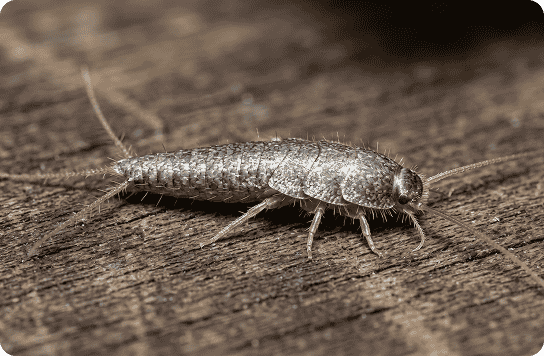
Wise food keeping matters as well. Keep dry goods in airtight containers, leave pet food closed, and do not leave fruit or snacks uncovered on counters. In shared buildings, one resident’s food practices can influence others if pests move through the building. Prevention is most effective when every unit takes part.
Further practical actions cover cutting down on clutter, vacuuming frequently, inspecting packages before bringing them inside, and flagging moisture or leaks as soon as possible. Such proactive measures promote sustained pest reduction and help prevent nesting.
Mosquito Man Scarborough1225 Kennedy Rd, Scarborough, ON M1P 4Y1, Canada
+1 647-243-7241
https://maps.app.goo.gl/8SuLx1MkkqVJFc2m9 https://mosquitoman.ca/pest-control/scarborough/
43.7561897, -79.2751574
When to call a local Scarborough pest control company
You should contact a local company if you notice a worsening infestation, observe recurring pests, or find activity that returns after DIY efforts. A licensed technician can identify the pest type, identify the source, and advise on the right plan for your building. In condo settings, timing matters because one delayed response can cause pests to spread through suites and common spaces.
Contact us for help immediately if you need same-day service, if the infestation level looks moderate to severe, or if you have seen mice, cockroaches, or bed bugs repeatedly. Repeated pests are often a sign that the actual access route was never addressed, or that a nearby unit or common area is still impacted. For that reason condo pest control often needs more than just a one-time treatment.
Area know-how counts also. A specialist knowledgeable about Scarborough, ON condo towers recognizes the building styles, pest surges through the seasons, and access coordination issues common in Toronto’s east end. They may work with property management, accommodate access schedules, and develop a plan that reflects how multi-unit buildings actually operate.
If the problem is in a high-rise near Scarborough Town Centre, in a medium-rise near Kennedy, or in a residential area like Birch Cliff, a quick local response can make a major difference. The best results come from a blend of inspection, treatment, exclusion, and updates across the whole building.
Common questions about condo pest control in Scarborough
How expensive is condo pest control cost in Scarborough?
Pricing is influenced by the pest, the dimensions of the unit, whether treatment must cover multiple suites or common areas, and how bad the infestation is. Roach control, bed bug treatment, and rodent treatment can all have different pricing because each requires a different service approach, inspection scope, and aftercare. For the most accurate estimate, a licensed pest control technician should evaluate the situation first.
Who takes care for pest control in a condo, the tenant or the condo corporation?
Accountability can be determined by the origin of the problem and whether the unit is rented or occupied by the owner. In Ontario, the tenant, landlord, property manager, and condo board may each have a role. Tenants should notify pests immediately and keep the unit hygienic. Landlords usually arrange treatment for rented units, while the condo board and property manager may need to resolve issues in common areas or property-wide sources.
How long does treatment for pests take in a condo building?
The time frame depends on the pest and the infestation level. A simple ant issue may be treated faster than bed bug treatment or a building-wide rodent problem. Some treatments work quickly, while others require monitoring and follow-up visits over several weeks. In condo buildings, coordination with neighboring units and access scheduling can also affect timing.
Can pest control treat cockroaches and bed bugs in shared walls?
Yes. Expert pest control can address pests in shared walls, but effective results usually require more than treating one suite alone. Technicians may use integrated pest management, residual outdoor pest control near me treatment, baiting, traps, and exclusion to target the problem at its source. In shared-wall situations, adjacent units and common areas may also need inspection and treatment to prevent recurrence.
How do I prevent pests from coming back after treatment?
Prevention depends on strong sanitation, sealing gaps, proper garbage storage, and careful food storage. Keep monitoring for droppings, odour, or sightings, and report new activity early. Follow all instructions from the licensed pest control technician, including any preparation or cleanup steps. In condo buildings, ongoing cooperation between residents, the property manager, and the condo board is often the best way to reduce the chance of pests returning.